Lavender Woods Handmade Tallow Soap (Cold Process Recipe)
Lavender Woods tallow soap recipe with creamy lather, lavender and woodsy notes, and step-by-step cold process instructions in a cozy soapmaker’s journal style.
Lavender Woods Tallow Soap


🪻🍃Lavender Woods Tallow Soap
🤍(Disclosure: Some links may be affiliate links. They help support the journal at no extra cost to you )
Grandma’s Soap Journal
📖 Journal - (Entry #3 Tallow)
There’s something about lavender that never grows old.
Not the sharp, perfumey kind you find in little paper sachets tucked into drawers, but the soft, sun-warmed kind. The kind that hums quietly in the field while the bees go about their business and the air smells clean and honest.
Lavender Woods was born on one of those slow afternoons when the windows were cracked open and the light came in golden and sleepy across the workshop table. I had been thinking about balance, how sometimes life feels like a wild pine forest and sometimes like a calm meadow. And wouldn’t it be nice, I thought, if a bar of soap could hold both the pine and the calm?
This one does.
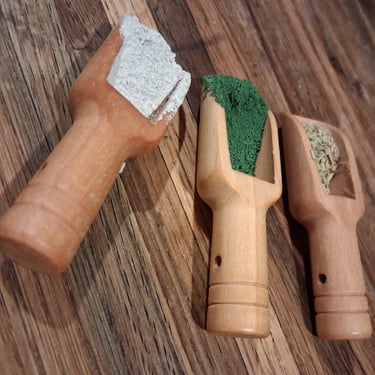
When I melt down the oils, that sturdy tallow base that feels like an old and familiar friend, I always stir slow. No rushing. Soap can tell if you’re distracted. I sprinkle in the kaolin clay and the fine ground oats right into the cooled oils, just like we always do. It gives the batter that silky slip, the kind that makes you smile when you run a spoon through it.
The lye water is mixed first, of course. Always first. Set it aside, let it cool while you tidy your thoughts. There’s wisdom in that step, do the strong work first, then let it settle.
When everything comes together and before the batter reaches trace, I breathe in deep while adding the scent. Lavender, yes, but not alone. There’s something grounding tucked underneath. A quiet wood note. Cedar maybe. A whisper of fir or tea tree. It’s the scent of clean cotton hanging near the edge of a forest.
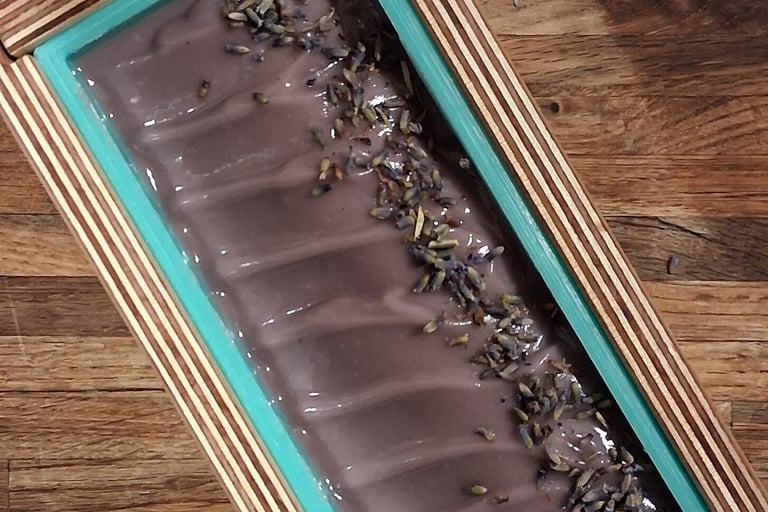
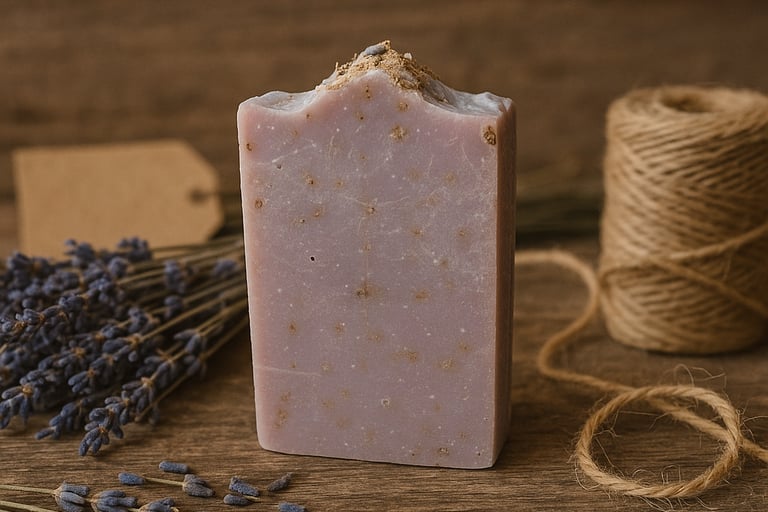
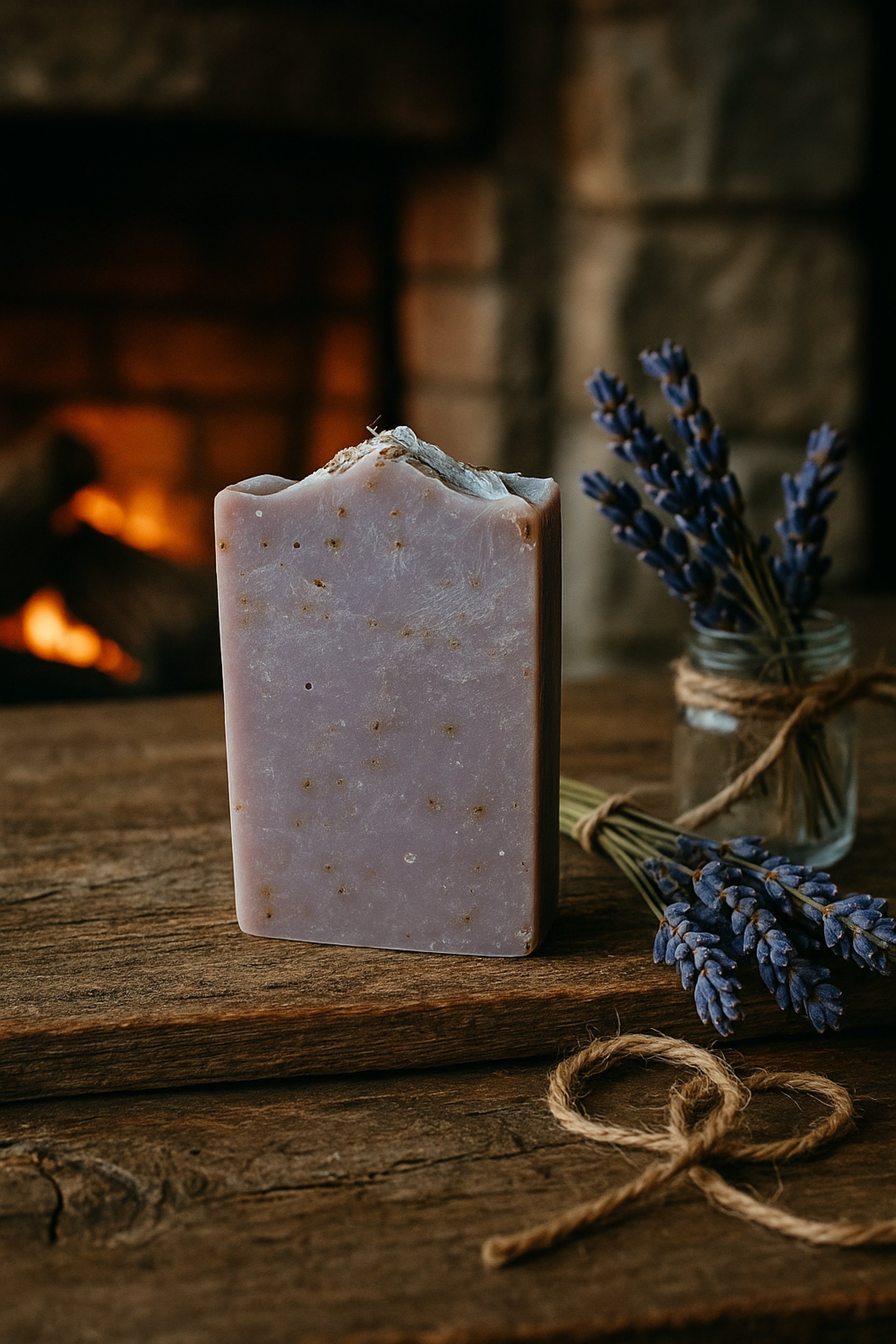
Lavender Woods isn’t a fancy bar. She doesn’t swirl wildly or shout for attention. I like to keep her simple with soft purples folded into the creamy batter, sometimes a gentle in-the-pot swirl, sometimes just layered like calm over strength.
After pouring, I tap the mold twice on the counter. Just enough to settle her in. A little texture to the top, and then a sprinkle of lovely lavender buds down one side. Then she rests. Soap needs its rest just like we do.
When I cut this batch the next day, the scent opens up beautifully. Not powdery. Not sharp. Just calm. The kind of soap you reach for at the end of a long day. The kind you give to a friend who’s been carrying too much.
Lavender Woods reminds me that strength doesn’t have to be loud. The woods stand tall and quiet. The lavender grows steady and faithful each year. Together they make something balanced, beautiful, and comforting.
And that’s what this bar is meant to be.
A little forest. A little field.
A little peace in the palm of your hand.
Made slow, and by hand. This one didn’t need fussing. 🤍
-Soapmakung Hobby🤍🫧

🪻🍃Recipe
Lavender Woods – Cold Process Tallow Soap
🤍This post may contain affiliate links. If you buy through them, I may earn a small commission, just enough to keep the soap kettle warm, at no extra cost to you.
Grandma’s Base Formula | 50 oz oils | 5% superfat
Oils (50 oz total
20 oz Tallow (40%)
12.5 oz Coconut Oil (25%)
12.5 oz Olive Oil (25%)
5 oz Castor Oil (10%)
Lye Solution
14 oz distilled water
7 oz Sodium hydroxide (NaOH) — calculated for 5% superfat
2 tsp sodium lactate (optional, for harder bars)
Additives (in oils)
1 tbsp kaolin clay
1 tbsp colloidal oats or (finely ground)
Color (optional
Natural purple mica or infused alkanet root for soft lavender tone
A pinch of purple Brazilian clay
Scent Suggestions (choose EO or FO
Lavender + Cedarwood
Lavender + Tea Tree
Lavender + Patchouli (very light)
Or a “Lavender Blended” fragrance oil blend
(Use scent rates per supplier/IFRA guidelines.)
🤍🫧Method (Grandma’s Way)
Mix lye with water first. Set aside somewhere safe to cool.
Melt tallow and oils together.
Stir clay and oats directly into cooled oils.
When oils and lye are near the same temp, blend to lightly.
Add scent and color, blend to trace.
Pour into mold and tap gently to settle. Texture and top with buds
Cover and rest 18–24 hours.
Cut and cure 4–6 weeks
🌿 Tips from Grandma
• Lavender behaves beautifully, great for beginners
• Wood notes anchor the scent and help it last longer
• Keep colors soft for a calm, spa-like look
• A simple in-the-pot swirl fits the “woods” theme or leave it natural.
• Cure time deepens both scent and lather
• This bar makes a lovely bedtime or gift soap
Grandma always said:
“If a soap makes you slow down when you smell it, you made it right."
-Soapmaking Hobby 🤍🫧
🌿 Lavender Woods – Frequently Asked Questions
Grandma’s Notes from the Soap Shed
🤍 Is Lavender Woods a good soap for beginners?
It surely is.
Lavender behaves kindly in cold process soap, no racing, no mischief, no surprises. It gives you plenty of time to stir, swirl, and think. If you’re just starting out, this one is like learning beside an old friend.
Grandma always said, “Start with the gentle recipes first. Let your hands learn the rhythm.”
🤍 What does Lavender Woods smell like?
Soft. Calm. Grounded.
It isn’t powdery or perfume-heavy. The lavender brings a clean herbal note, and the wood tones (cedar or fir) give it that fresh forest air feeling, like hanging laundry near the tree line.
Think
pine shade
a quiet evening
fresh.sheets
🤍 Can I use essential oils or fragrance oils?
Either works beautifully.
Use:
• Lavender + Cedarwood or Fir (essential oils)or
• a Lavender Woods /Woodland Lavender fragrance oil
Just follow your supplier’s usage rates for safety (IFRA guidelines). Grandma would call that “measuring twice and pouring once.”
🤍 Why add clay and oats to the oils?
For comfort.
• Kaolin clay = silky slip + longer-lasting scent
• Colloidal oats = gentle, soothing feel on the skin. Together they make the lather feel creamy and old-fashioned, the kind that doesn’t dry you out. It’s one of those little upgrades that makes a bar feel handmade instead of factory made.
🤍 How long should this soap cure?
Four to six weeks is best.
It’ll feel firm sooner, but patience makes better soap:
• harder bar
• longer lasting
• milder on skin
• richer lather
Around here we say, “Soap teaches patience whether you like it or not.”
🤍 Can I color it naturally?
Yes, and it suits this recipe nicely.
Try:
• Alkanet root infusion (soft purple)
• Purple clay
• A light natural mica
• Or leave it creamy white for a farmhouse look
Lavender Woods doesn’t need fancy colors , simple always feels best
🤍 Is this a good gift soap?
Oh goodness, yes.
It’s one of those “everybody likes it” scents, not too sweet, not too strong. Perfect for:
• bedtime bars
• guest bathrooms
• care packages
• thank-you gifts
If someone says, “I don’t usually like scented soap,” this is the one that changes their mind.
🤍 Can I make this recipe smaller or larger?
Absolutely.
Just keep the percentages the same:
• 40% tallow
• 25% coconut
• 25% olive
• 10% castor
Run it through a soap calculator for your new batch size and you’re good as gold.
Grandma scaled recipes the same way she scaled biscuits, “same ratios, bigger bowl.”
🤍 Who is this soap best for?
Anyone needing a little calm.
It’s especially lovely for:
• evening showers
• stressy days
• gift baskets
• cozy fall or winter collections
• farmhouse / herbal themed lines
It’s a quiet soap. A steady soap. A comfort soap
-Soapmaking Hobby 🫧🤍
🤎 Explore the Full Soap Collection
This recipe is part of Secrets from Grandma’s Soap Box, Tallow Recipes & Stories, a growing collection built around Grandma’s trusted base formula and simple, time-honored techniques.
If you love this bar, you’ll probably enjoy another one from the collection:
✨ Lavender & Chamomile - calm, beautiful, and gentle
✨ Oatmeal & Honey – Soft, comforting, and skin-loving
✨ Midnight Barrel – Deep, rugged, and mysterious
✨ Bubblin’ Beer – Rich lather with an old-fashioned twist
-Soapmaking Hobby 🤍🫧


From My Little Soap Corner 🤍
I make each bar in a cozy little 4x12 foot workshop, just a simple setup and a love for soapmaking. Some of the backgrounds and scenes you see are AI-created or enhanced to reflect the warm, rustic feel I imagine for my soap shed. I love creating handmade soap and digital soap-making journals and scenes. This journal is little storytelling nostalgia. Join me in a world of soap-making imagination. - Heather 🌼🫧