Citrus Tallow Soap: Lemon and Orange Peel Soap| Tallow Soap | Farmhouse Sink Soap
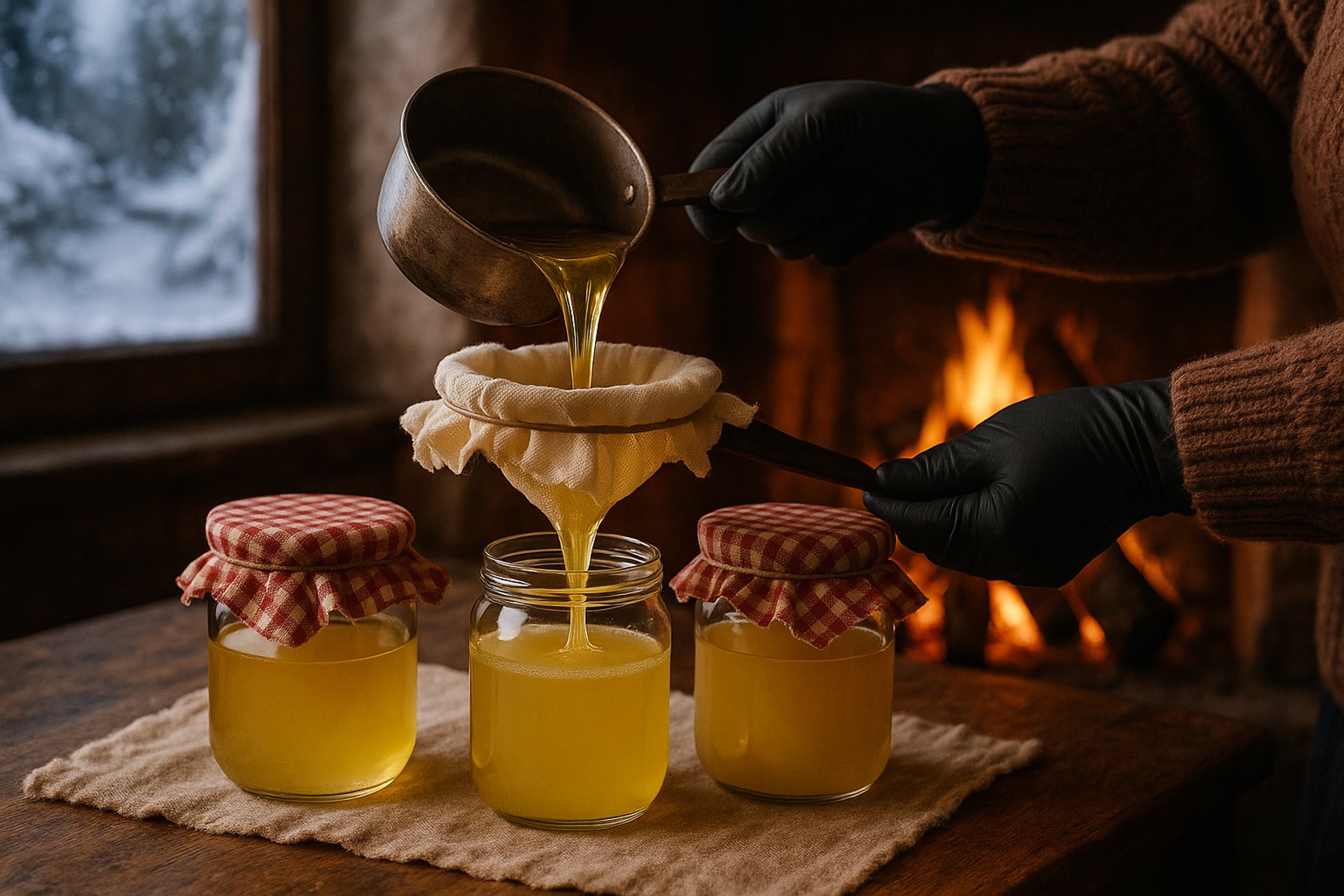
Discover our bright and cheerful tallow lemon and orange peel soap, crafted for hardworking hands. Made with grandma's base formula and natural citrus peel, this cold process soap adds farmhouse charm to your kitchen sink.
TALLOW HANDMADE SOAP
🍋🍃🍊Recipe
Lemon & Orange Peel – Cold Process Tallow Soap
50 oz oils | 5% superfat | Grandma’s Base Formula
Oils (50 oz total)
• 20 oz tallow (40%)
• 12.5 oz coconut oil (25%)
• 12.5 oz olive oil (25%)
• 5 oz castor oil (10%)
Lye Solution
• 14 oz distilled water
• 7 oz Sodium hydroxide (NaOH) — calculated for 5% superfat
• 2 tsp sodium lactate (optional, for harder bars)
Additives (mixed into melted oils)
• 1 tbsp kaolin clay
• 1 tbsp colloidal oats
• 1–2 tsp dried lemon & orange peel (finely chopped or ground)
Color (optional)
• Leave part uncolored for a soft cream swirl
Scent Suggestions (optional — but be sure to check supplier for exact amounts)
• Any citrus-sunshine or lemonade fragrance oils
Soapmaking Hobby
A soapmaker’s journal
Method (Grandma’s Way)
1. Slowly combine lye with water and set aside to cool.
2. Line the mold with parchment paper,and prepare the counter so your workspace is clean and uncluttered.
3. Melt oils gently in a hot water bath.
4. Stir kaolin clay and oats into the cooled oils.
5. Blend oils and lye mixture.
6. Fold in citrus peel and color.
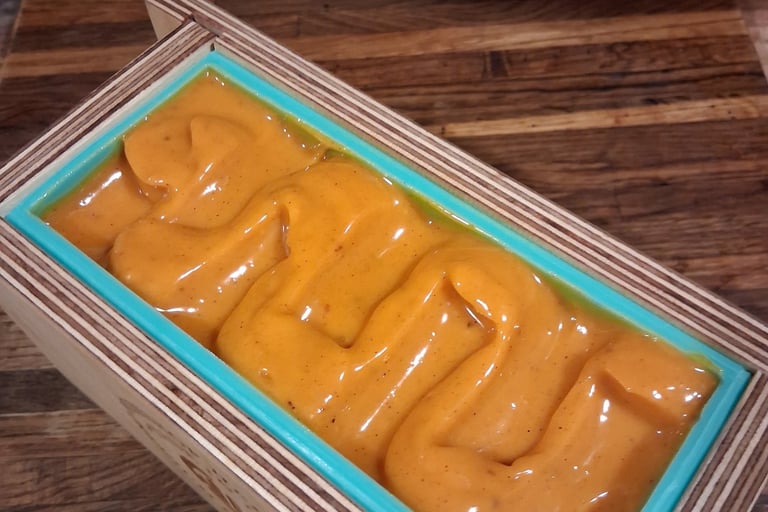
7. Pour, tap the mold, and swirl if desired.
8. Insulate lightly and let rest overnight.
9. Cut the next day and cure 4–6 weeks.
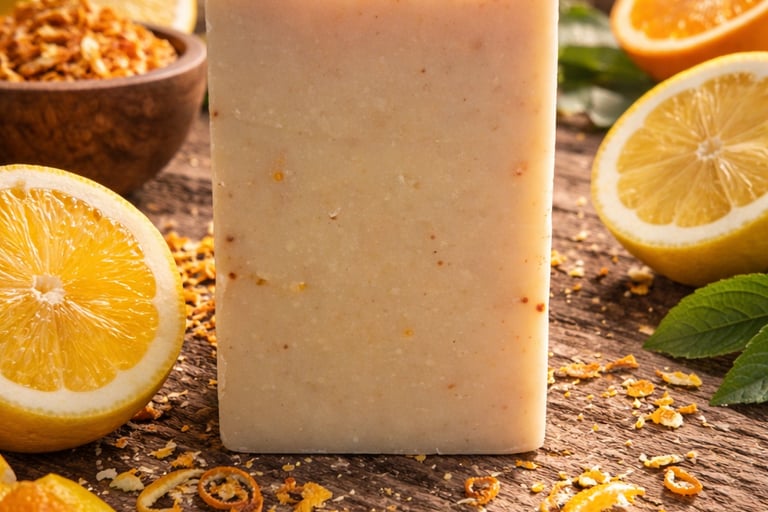
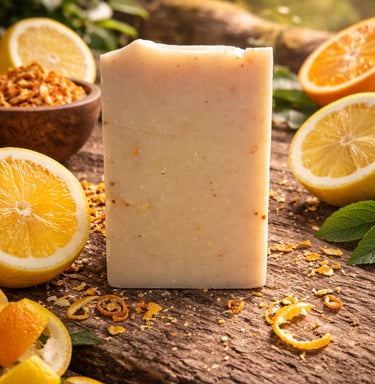
Bars will harden into a creamy yellow with tiny sunny flecks.
🌼 Tips from Grandma
• Citrus scents fade faster → anchor with a touch of litsea or a citrus FO
• Grind peel finely for a gentler scrub
• Too much peel can feel scratchy — less is more
• Perfect as a kitchen or gardener’s bar
• Cure longer for a harder, longer-lasting bar
• Store extra bars wrapped in paper, not plastic
Grandma always said:
“A good scrub and a little sunshine fixes most things.”
-Soapmaking Hobby 💛🫧

🤍(Disclosure )This post may contain affiliate links. If you buy through them, I may earn a small commission — just enough to keep the soap kettle warm — at no extra cost to you.
🔗 Tools & Supplies I Use
These are the basics I reach for every time:
Stainless or enamel soap pot/bowl
Wooden mold with silicone liner-Large Tall and Skinny or
Small tall and skinny
Work Apron with pockets
Electric Kettle -to melt hard oils in a hot water bath
Parchment paper (if using wooden mold)
🍋Optional extras:
‘ for a rustic sink-side look
Wooden soap deck to help bars dry between uses
🍊Optional but lovely:
Soap cutter & molds
-perfect for beginners
Soap stamp
— Soapmaking Hobby 🫧🍋
Soapmaking Hobby
A soapmaker’s journal
🍋🍃🍊Frequently Asked Questions
🍋Can I use fresh lemon or orange juice instead of water?
You can, but Grandma would tell you it’s more trouble than it’s worth.
Fresh juice contains sugars that can overheat your soap and cause scorching or strange textures. For a simple, reliable batch, stick with distilled water and let the zest or peel and scent do the talking.
Save the juice for lemonade.
🍊Will citrus essential oils fade in cold process soap?
They can, yes.
Citrus oils are light and cheerful, but they’re also quick to wander off during cure. To help the scent linger:
• blend with litsea cubeba
• use a citrus fragrance oil
• or anchor with a touch of clay
Even if the scent softens, the soap still cleans beautifully.
Grandma always said:
“Smell’s a bonus — good soap is the real prize.”
🍋Are the peels scratchy on the skin?
Not if they’re ground fine.
A light sprinkle gives a gentle kitchen scrub feel. Big pieces can feel rough, so pulse them small — like tea leaves or cornmeal.
If you want smoother bars, you can leave them out altogether and keep the color only.
🍊What is this soap best used for?
This is a working bar, plain and simple.
Perfect for:
• kitchen sinks
• gardeners
• mechanic or workshop hands
• after cooking or baking
• everyday family use
It cuts grease and odors like a dream.
Not fancy. Just faithful.
🍊Why add kaolin clay and oats to every bar?
They’re quiet little helpers.
• Kaolin clay → creamy slip + silkier feel
• Colloidal oats → soothing + gentle conditioning
They don’t shout.
They just make everything nicer.
🍋How long should Lemon & Orange Peel cure?
Give it time.
At least 4–6 weeks.
Longer cure = harder bar, better lather, longer life at the sink.
If you can forget about it on the shelf for a month, it’ll reward you.
Patience is part of the recipe.
🍊Can I skip scent altogether?
You sure can.
This base recipe stands on its own. Unscented bars still smell faintly clean and creamy — like fresh laundry and warm air.
Sometimes simple is the coziest choice.
🍋Is this a good beginner soap?
Oh yes.
It’s one of the easiest:
• simple oils
• no tricky swirls
• forgiving recipe
• everyday usefulness
If this were a person, it’d be the neighbor who brings soup when you’re sick.
Reliable. Kind. Always welcome.
-Soapmaking Hobby 🍋🍊🫧

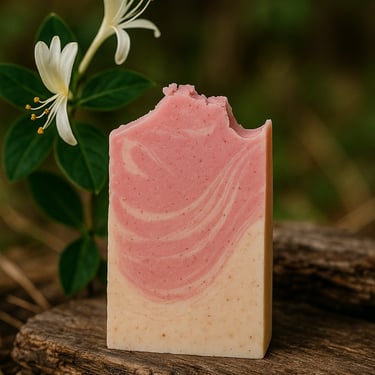
🧺Pick another soap off the shelf…
🍎 Apple Cider Vinegar – A rustic pantry classic with old-fashioned soapmaking charm.
🌺Pink Grapefruit Salt Bar – Crisp citrus brightness with silky salt-bar lather.
🍻Bubblin’ Beer Bar – Old-world lather with a hearty, tavern-style twist.
Soapmakinghobby@gmail.com