Rugged Campfire – Hot Process Tallow Soap with Smoky Campfire Marshmallow -A Cozy Cabin-Inspired Tallow Recipe
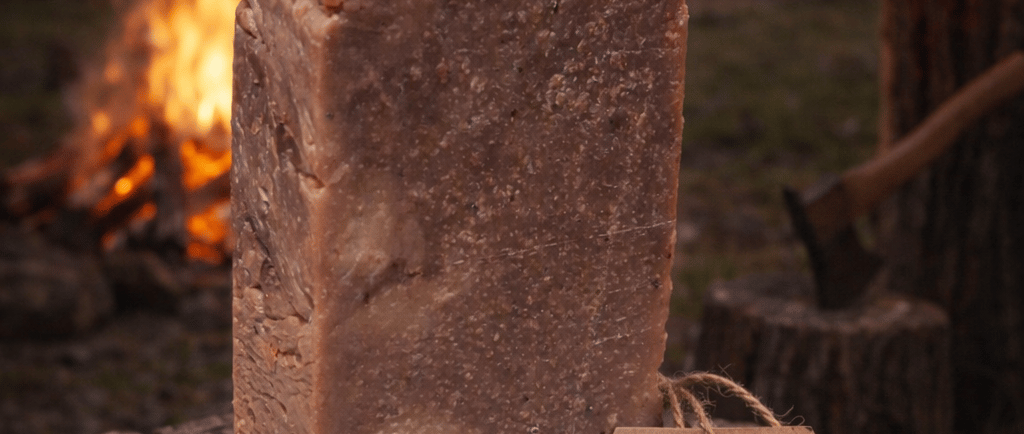
Bring the feeling of a quiet evening by the fire into your soap shed with Rugged Campfire hot process soap. This rustic tallow recipe embraces natural texture, ember-style charcoal accents, and warm campfire marshmallow notes in a sturdy handmade bar..
TALLOW HANDMADE SOAP
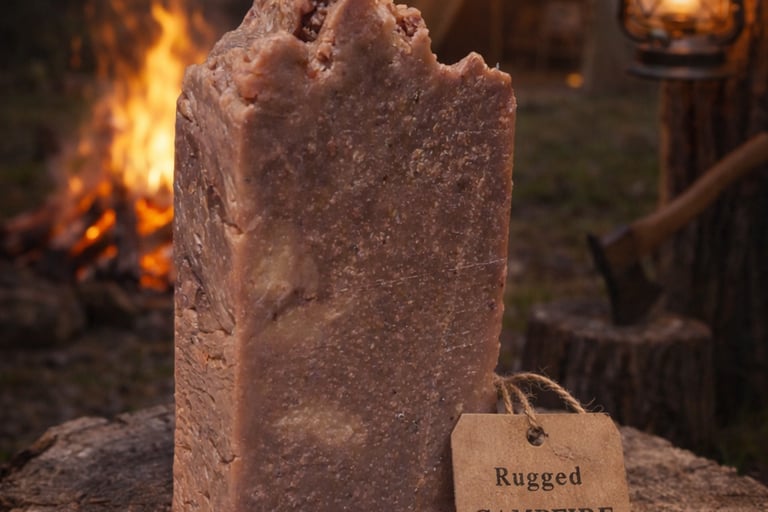
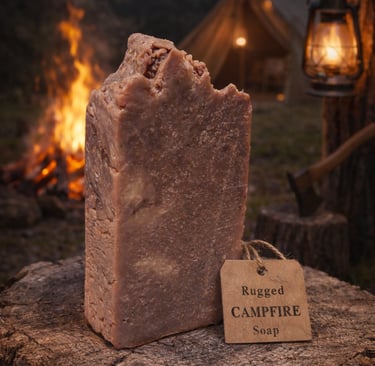
Rugged Campfire Soap
🔥 Rugged Campfire
Hot Process Tallow Soap
Grandma’s Base Formula – 50 oz oils
🤍This post may contain affiliate links. If you buy through them, I may earn a small commission — just enough to keep the soap kettle warm — at no extra cost to you.
🌲 Journal Entry #16– From Grandma’s Soap Box
Some soaps feel quiet.
This one crackles.
Rugged Campfire always starts a little different.
I pull out the big crock to melt the oils in slowly, then mix the lye in my water with it’s old familiar hum, and that feeling that you’re about to make something sturdy. Something useful. Something that belongs in a place where boots sit by the door and wood stacks rest along the outside of the soap shed.
Hot process has a different rhythm than cold process. It asks you to stay nearby. To watch. To stir. To listen.
Grandma used to say cooking soap felt more like tending a fire than following a recipe.
And she was right.
The batter thickens, folds in on itself, turns glossy and alive. Steam curls up like smoke drifting through pine branches. It looks rough at first , wild even, but that’s where the character lives.
That’s Rugged Campfire.
It’s the bar that doesn’t need to be perfect. Spoon marks stay. Texture stays. Little ridges catch the light like embers under ash. And when you press it into the mold, it feels less like pouring and more like shaping something by hand.
This is the soap you make when you want to slow down and stay home for the day. When the evening is quiet and the soap shed light glows warm against the wooden table.
It smells like woodsmoke, flannel sleeves, and marshmallows melting just a little too fast.
The kind of bar that belongs next to a cast-iron sink.
The kind you reach for after a long day.
The kind that reminds you handmade things don’t have to be polished to be good.
Sometimes the rough edges are the story. With all of its rustic, craggy glory.
-Soapmaking Hobby 🪵🫧
🔥Recipe (Hot Process)
🤍This post may contain affiliate links. If you buy through them, I may earn a small commission — just enough to keep the soap kettle warm — at no extra cost to you.
Grandma’s Base Formula – 50 oz oils
Oils
• 20 oz tallow
• 12.5 oz coconut oil
• 12.5 oz olive oil
• 5 oz castor oil
Lye Solution
• 19 oz distilled water
• 7 oz Sodium hydroxide (NaOH) — calculated for 5% superfat
• 2 tsp sodium lactate (optional)
Additives (in oils)
• 1 tbsp kaolin Clay
• 1 tbsp colloidal oats
• Poppy Or Cranberry seeds for for grit
After Cook (recommended)
• Campfire Marshmallow fragrance oil (IFRA safe rate)
🔥 Method Notes (Hot Process Feel)
• Cook until the soap reaches glossy, mashed-potato stage.
• Stir gently to keep texture airy but workable.
• Add fragrance and grit after the cook when the soap cools slightly.
• Spoon into the mold for a rugged, fire-forged look.
• Cure you may use it in a few days, but I like to let it cure for another week or two, to turn into their best selves..
🌙 From the Soap Shed
Hot process Rugged Campfire always feels a little more honest. A little less polished. For folks that like a story with their bar.
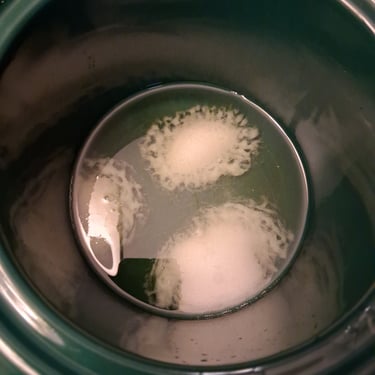
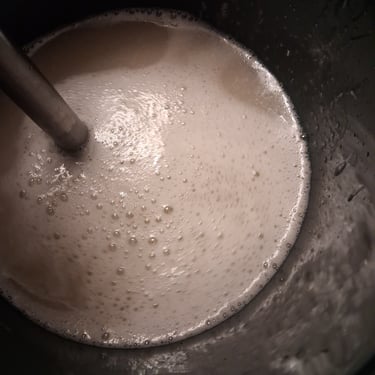
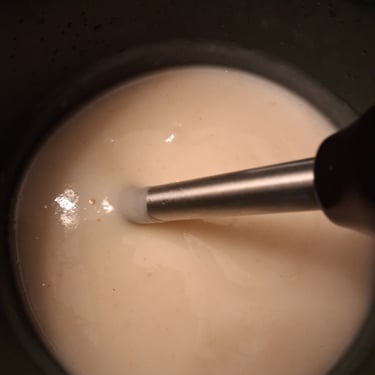
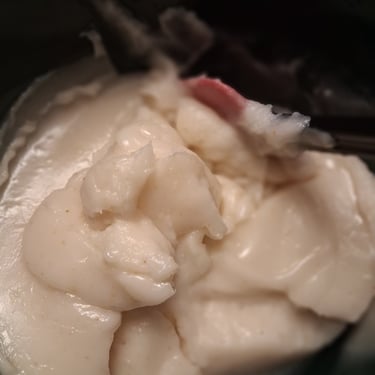
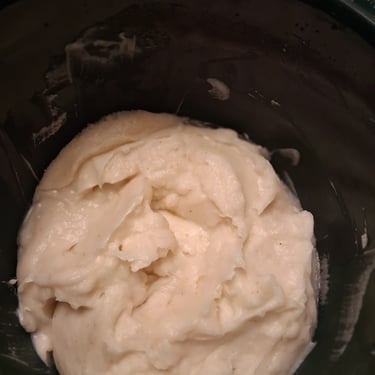
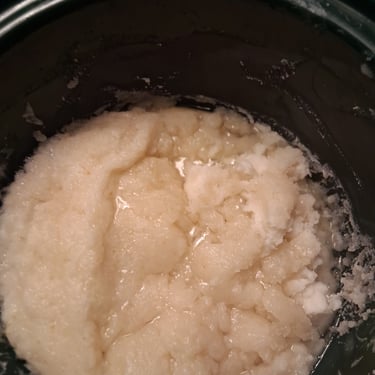
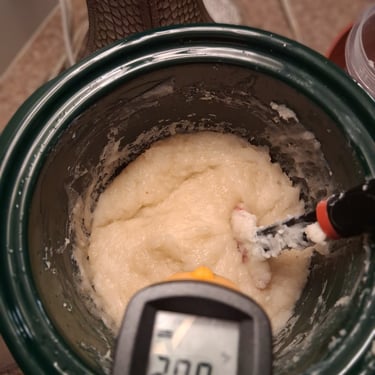
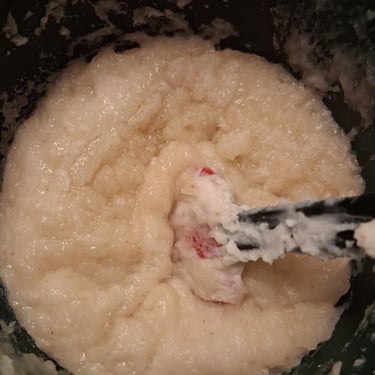
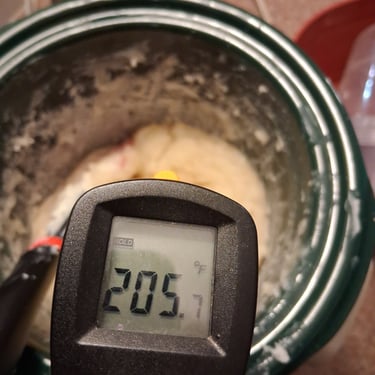
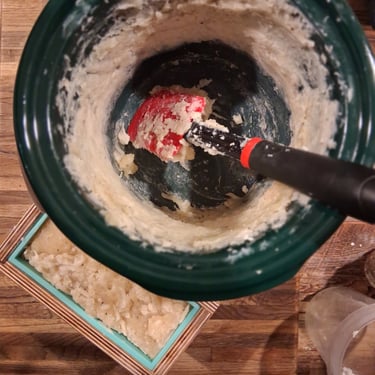
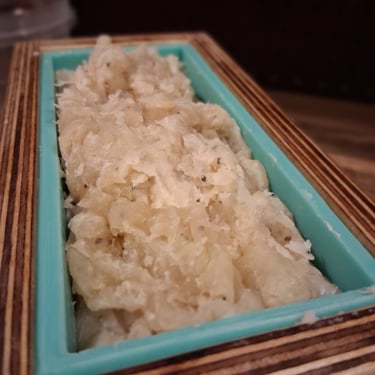
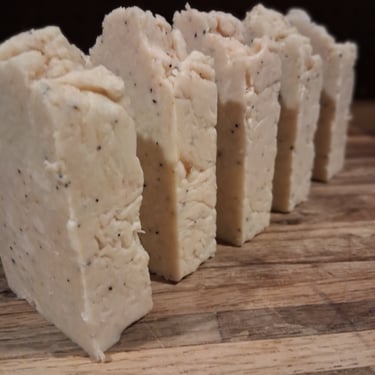
🪵Hot Process in phases

🤍(Disclosure )This post may contain affiliate links. If you buy through them, I may earn a small commission — just enough to keep the soap kettle warm — at no extra cost to you.
🔗 Tools & Supplies I Use
These are the basics I reach for every time:
Stainless or enamel soap pot/bowl
Wooden mold with silicone liner-Large Tall and Skinny or
Small tall and skinny
Work Apron with pockets
Electric Kettle -to melt hard oils in a hot water bath
Parchment paper (if using wooden mold)
🤎Optional extras:
for a rustic sink-side look
Wooden soap deck to help bars dry between uses
🤎Optional but lovely:
Soap cutter & molds
-perfect for beginners
Soap stamp
— Soapmaking Hobby 🫧🤎
🪵What makes Rugged Campfire a hot process soap?
Hot process soap is cooked after mixing the oils and lye, which completes saponification in the pot. This gives Rugged Campfire its rustic texture, thicker batter, and handcrafted appearance — perfect for a campfire-inspired bar.
🪵Does hot process soap smell stronger?
Often, yes. Because fragrance is added after the cook, scent retention can be better. This helps preserve the warm smoky sweetness of Campfire Marshmallow and keeps the cozy campfire character noticeable.
🪵Why does hot process soap look more rustic?
During the cook, the soap thickens into a mashed-potato-like texture. When spooned into molds, it naturally creates peaks, ridges, and organic texture — which suits Rugged Campfire’s rugged outdoors aesthetic.
🪵When should I add fragrance in hot process?
Add fragrance after the cook once the soap cools slightly. This protects the scent and reduces the chance of acceleration or fading.
🪵Can I still use charcoal in hot process?
Yes. Activated charcoal works beautifully in hot process for ember streaks, layered looks, or a textured smoky top. It enhances the campfire visual without requiring precise swirling.
🪵Is hot process soap safe to use right away?
Hot process soap is technically usable sooner because saponification is complete. However, allowing a 3–4 week cure improves hardness, longevity, and overall feel.
🪵Is hot process good for masculine or outdoorsy soaps?
Very much so. The natural texture, earthy look, and slightly imperfect finish make hot process ideal for rugged styles like Rugged Campfire — especially for cabin themes, gift sets, and market displays.
🪵Is Rugged Campfire beginner-friendly for hot process?
Yes. This recipe uses a simple base formula and forgiving design style. The rustic finish means small imperfections become part of the look rather than mistakes.
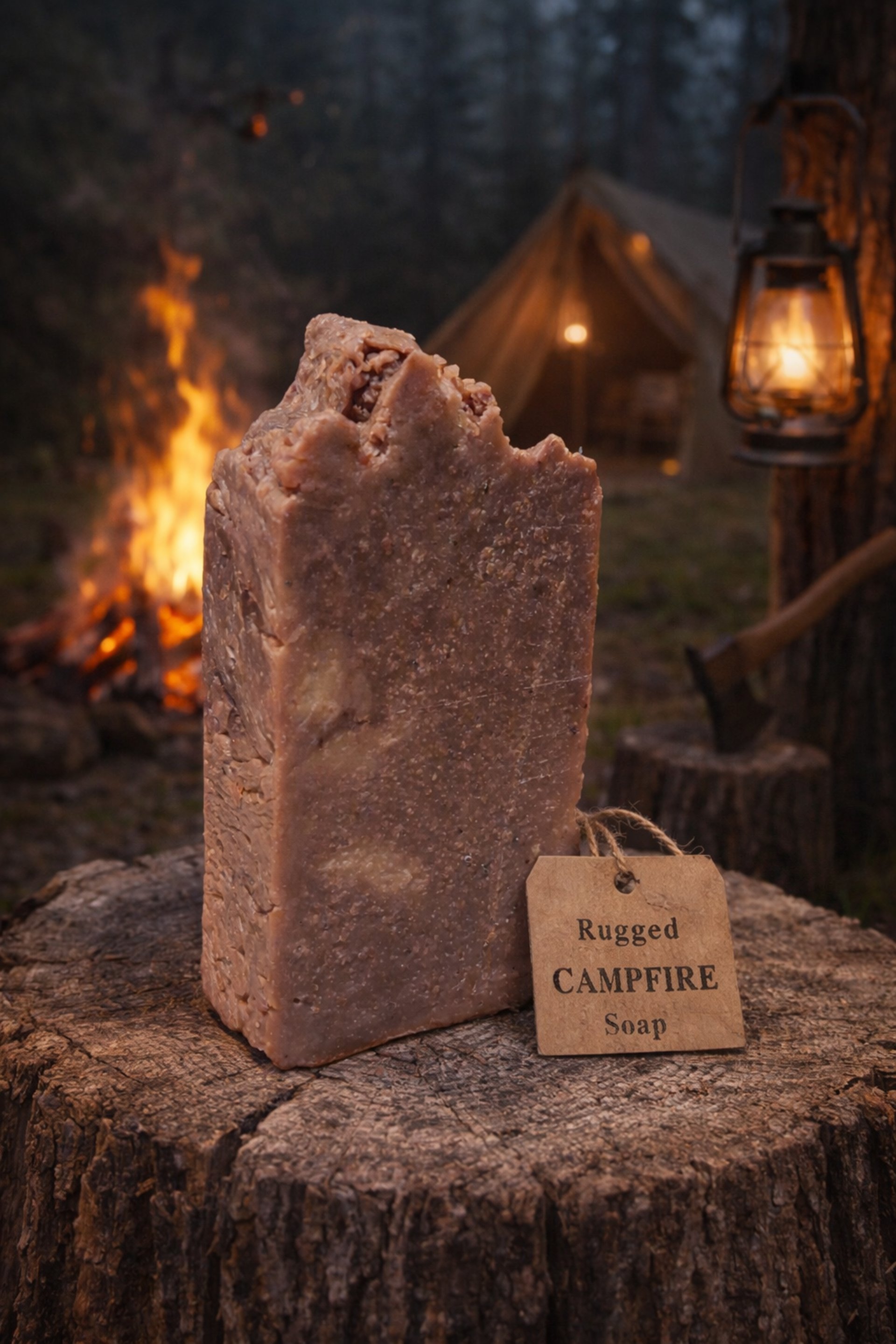
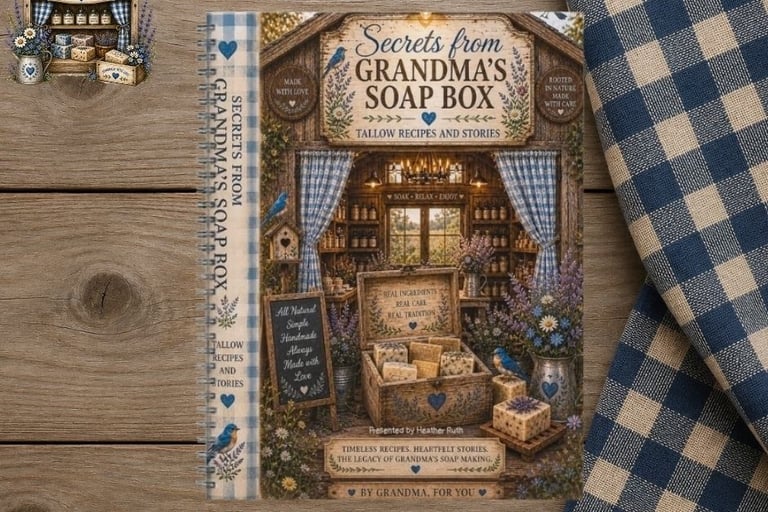
🧺🫧“Secrets from Grandma’s Soap Box – Full Collection-A digital index to each recipe. What will you explore next?
—Soapmaking Hobby 🌼🫧
From My Little Soap Corner 🤍
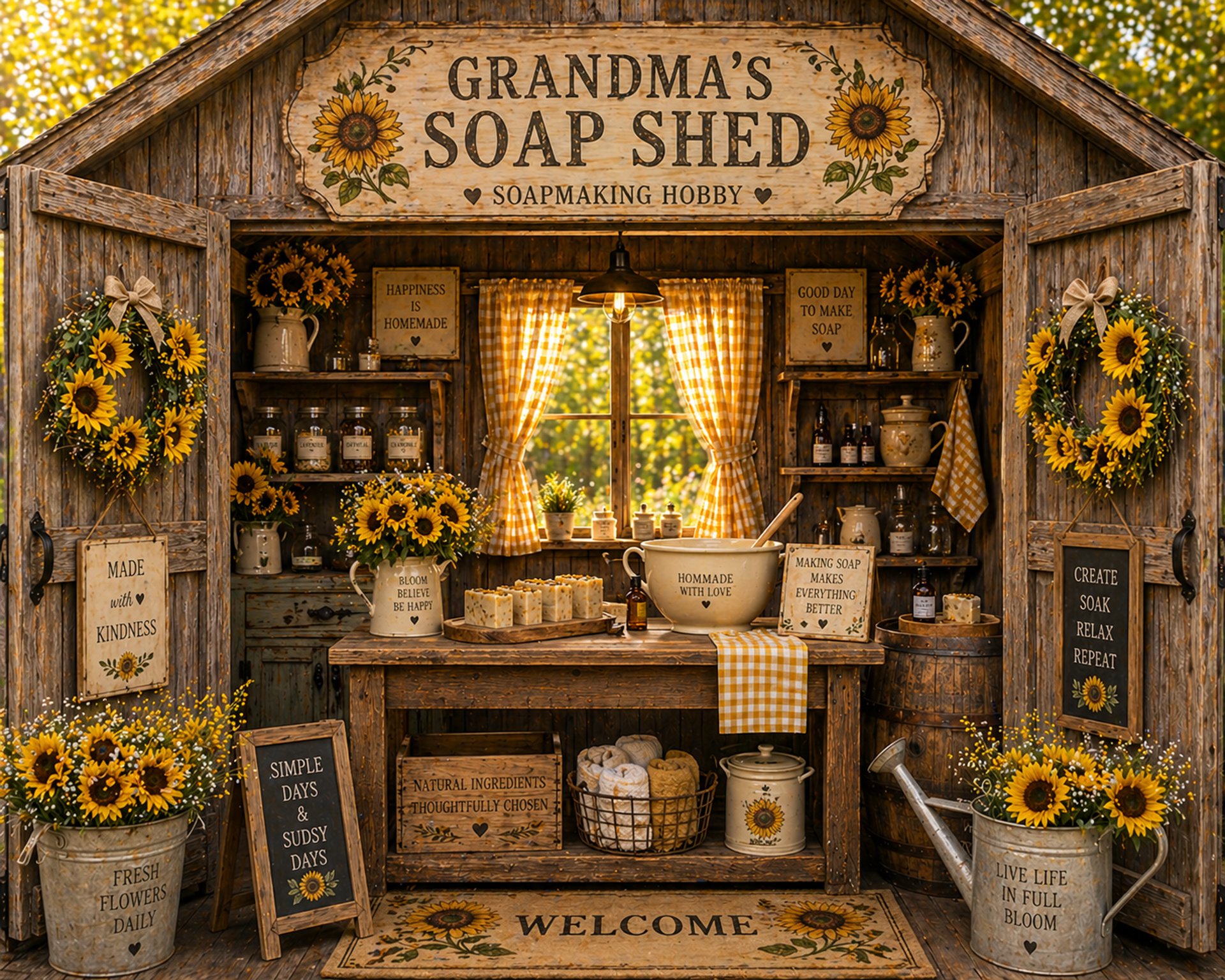
I make each bar in a cozy little 4x12 foot workshop, just a simple setup and a love for soapmaking. Some of the backgrounds and scenes you see are AI-created or enhanced to reflect the warm, rustic feel I imagine for my soap shed. I love creating handmade soap and digital soap-making journals and scenes. This journal is little storytelling nostalgia. Join me in a world of soap-making imagination. - Heather 🌼🫧