Visit The Soapmaking Hobby Shop…

Brown Sugar and Fig Salt Bar | Rustic Cold-Process Soap
Follow the making of a rustic Brown Sugar and Fig salt bar with olive, coconut and castor oils, sea salt, kaolin clay, oats and cruelty-free mica. This spa inspired cold process soap is sure to please.
VEGAN HANDMADE SOAP
Heather | Soapmaking Hobby
9/4/20265 min read


Brown Sugar and Fig Salt Bar
🤎This post may contain affiliate links. If you buy through them, I may earn a small commission, just enough to keep the soap kettle warm, at no extra cost to you.
From Grandma’s Soap Journal
Today’s batch was inspired by the warm sweetness of brown sugar, the deep color of ripe figs, and those quiet late summer afternoons when the kitchen still smells like something lovely and sweet had been baked in the oven.
This batch calls for the good old faithful, purple soap mold, I began with 36 ounces of oils, a simple blend of 27 ounces of olive oil, 7.2 ounces of coconut oil, and 1.8 ounces of castor oil. The olive oil made up the heart of the recipe, while coconut oil added cleansing and bubbles and castor oil helped support the lather. I prepared the batch with a 5% superfat, using 13.38 ounces of water and 4.95 ounces of sodium hydroxide.
Because this was to be a salt bar, I measured 9 ounces of sea salt, 25% of the oil weight. Salt bars have a character all their own. They become wonderfully firm and substantial, with a rustic beauty that feels especially fitting for an old-fashioned soap dish beside the farmhouse sink.
For a little extra softness and slip, I added one tablespoon of kaolin clay and one tablespoon of oats. Then I separated the soap batter into four containers and colored them with cruelty-free mica in light brown, dark brown, purple, and teal. The shades reminded me of weathered wood, fig skins, green leaves, and the muted colors of a country garden at the end of summer.
The sea salt was divided among the colors before the batter was carefully brought back together. The Brown Sugar and Fig fragrance filled the soap room with a warm, fruity sweetness, this fragrance contains vanillin, which will deepen the brown colors, so it is best to only add the fragrance oil to the brown batter. Brown Sugar and Fig is rich without feeling too fancy and cozy without being overly sugary.
Once the loaf was finished, I decorated the top using a fork for a rustic design, with coarse pink Himalayan salt and deep wine colored Merlot salt. The crystals caught the light like tiny pieces of old-fashioned candy. Against the ridged teal top, they made the loaf look wonderfully rustic and just a little bit luxurious.
Now the bars will be left to rest and cure while their colors settle and their scent softens into the finished soap. No two slices will look exactly alike, and that may be my favorite part. Each bar will carry its own swirls, salt crystals, and little reminders that it was made slowly and by hand.
Grandma always believed that useful things could still be beautiful. This Brown Sugar and Fig Salt Bar feels like just that, a sturdy handmade soap dressed in the warm colors and sweet comforts of home.
-Soapmaking Hobby 🤍


Recipe
Brown Sugar and Fig Salt Bar Recipe
Batch size: 36 oz oils
Superfat: 5%
Sea salt: 25% of oil weight
Cure time: At least 4 weeks
Oils
27 oz (765.44 g) olive oil — 75%
7.2 oz (204.12 g) coconut oil — 20%
1.8 oz (51.03 g) castor oil -5%
Lye Solution
13.38 oz (379.24 g) distilled water
4.95 oz (140.27 g) sodium hydroxide
Additives
9 oz (255 g) fine sea salt
1 tablespoon kaolin clay
1 tablespoon finely ground or colloidal oats
Brown Sugar and Fig fragrance oil, used at the manufacturer’s skin-safe rate-only add to the brown colors portions
Colors and Decoration
Light brown cruelty-free mica
Dark brown cruelty-free mica
Purple cruelty-free mica
Teal cruelty-free mica
Merlot salt
Simple Method
Put on gloves and eye protection. Working in a well-ventilated area, slowly add the sodium hydroxide to the distilled water. Stir carefully and set the lye solution aside to cool.
Melt the coconut oil, then add the olive and castor oils. Stir the kaolin clay and oats into the cooled oils until evenly dispersed.
Add the cooled lye solution to the oils and blend to a light trace.
Divide the soap batter evenly among four containers. Color the portions light brown, dark brown, purple, and teal.
Stir in the Brown Sugar and Fig fragrance oil evenly into the brown portions, as it will darken the batter. I like to use a 1% rate of total oils per batch, but do your own research and follow the manufacturer and I.F.R.A. usage rates.
Divide the 9 ounces of sea salt among the four colors and gently fold it into the soap batter.
Pour or layer the colors into the mold, working promptly because salt soap can thicken quickly. Do a quick hanger swirl, if you please.
Texture the top and decorate it with coarse pink Himalayan salt and Merlot salt.
Unmold and slice while the loaf is firm but still slightly warm. About 4-6 hours after pouring. Salt bars can become very hard and crumbly if left in the mold too long.
Allow the bars to cure in a cool, dry place for at least four weeks.
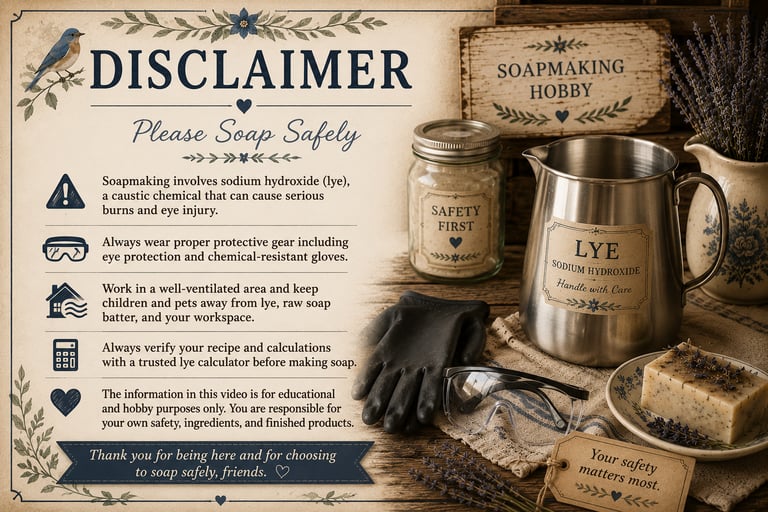
Lye safety note: Always wear proper protective equipment and confirm any soap formula with a trusted lye calculator before making substitutions.


Like🤎Share🤎Subscribe
Brown Sugar and Fig Salt Bars 🤎Quick FAQ
🤎Does this recipe contain real brown sugar or figs?
No. Brown Sugar and Fig refers to the fragrance. The recipe does not contain fresh figs or brown sugar.
🤎What makes this a salt bar?
Fine sea salt is added at 25% of the oil weight, giving the finished bars a firm, distinctive salt-bar texture.
🤎Why should the loaf be cut while it is still slightly warm?
Salt soap hardens quickly. Waiting too long can cause the loaf to crumble or break while slicing.
🤎Can I use ordinary table salt?
Fine sea salt is the preferred choice. Avoid iodized table salt, Epsom salt, and Dead Sea salt, as they can affect the finished texture.
🤎Why are kaolin clay and oats included?
They add a soft, silky feel to the soap and complement its rustic character.
🤎How long should the bars cure?
Allow the bars to cure in a cool, dry place for at least four weeks before using them.
🤎Do salt bars make lots of bubbles?
Salt can reduce large, fluffy bubbles. This recipe includes coconut and castor oils to help support a pleasant lather.

🤍Choose your next soap journal entry…
✨ Charred Rose Bouquet- floral elegance
✨Huckleberry Harvest Vegan- berry charming
✨Bluebird Lane-a blueberry scented- farmhouse bar


From My Little Soap Corner 🤍
I make each bar in a cozy little 4x12 foot workshop, just a simple setup and a love for soapmaking. Some of the backgrounds and scenes you see are AI-created or enhanced to reflect the warm, rustic feel I imagine for my soap shed. I love creating handmade soap and digital soap-making journals and scenes. This journal is little storytelling nostalgia. Join me in a world of soap-making imagination. - Heather 🌼🫧
Privacy Policy • Cookie Policy • Terms & Conditions • Affiliate Disclosure • AI Disclosure
🍃 Handmade stories, soapmaking recipes & journals from the Soap Shed.
© 2026 Soapmaking Hobby. All Rights Reserved.