Visit The Soapmaking Hobby Shop…

Charcoal & Cream Vegan Soap Recipe | Activated Charcoal Cold Process Soap
Learn how to make Charcoal & Cream Vegan Soap Recipe, a handcrafted vegan cold process soap featuring activated charcoal and elegant black-and-cream swirls. Includes recipe, tips, and step-by-step instructions.
VEGAN HANDMADE SOAP
Heather | Soapmaking Hobby
7/17/20268 min read


🖤 Charcoal & Cream
From Grandma’s Soap Shed
🤍This post may contain affiliate links. If you buy through them, I may earn a small commission, just enough to keep the soap kettle warm, at no extra cost to you.
This batch of Charcoal & Cream reminded me that beauty can be found in simple things, a weathered wooden table, an old enamel pitcher, soft linen towels drying by the window, and a fresh bar of handmade soap resting on the curing rack.
When I poured this batch, the creamy soap batter swirled together with activated charcoal like wisps of smoke curling from a wood stove on a chilly morning. No two bars turned out exactly alike. Every swirl found its own path, making each one a little piece of handcrafted art.
Activated charcoal has long been treasured by soapmakers for the beautiful natural color it brings. Against the soft cream batter, it creates a timeless black-and-ivory marbled pattern that never seems to go out of style.
As I tucked each bar onto the curing rack, I couldn’t help but smile. There is something peaceful about slowing down enough to make soap by hand. Measuring each ingredient with care, stirring until trace, watching the swirls come alive, and then waiting patiently while time works quietly behind the scenes.
Soapmaking has taught me that not everything needs to happen quickly. Some of the finest things in life, a loaf of bread, a garden in bloom, a handmade quilt, or a good bar of soap, simply cannot be rushed.
Weeks from now, these bars will be ready for someone’s sink or shower. I hope they bring a little calm to busy mornings and a reminder that handmade things always carry a bit of the maker’s heart.
So here’s to another batch made with simple ingredients, patient hands, and plenty of love.
Until the next recipe,
— Soapmaking Hobby 🤍
“Like charcoal and cream swirling together, the best things in life are often found in the quiet balance of light and dark.”

Shopping List:
🤍This post may contain affiliate links. If you buy through them, I may earn a small commission, just enough to keep the soap kettle warm, at no extra cost to you.
Mason jars for fragrance oils
Labels (round)
Lye Pitcher (Stainless Steel)
Wood & Silicone purple Soap Mold
Large Wide Soap Mold 5 lb
Stick Blender (lightweight)
Black Nitrile Gloves
Apron(any with pockets will do)
Solid Silicone Spatulas(heat safe)
Soap Pot(Double Boiler)
Curing Rack(starter)
Wooden Trays (for curing)
Wooden Crates (for carrying)
Grinder(I like this for whole oats)
Dehydrator (for citrus slices)
Greaseproof wrap:


Share 🖤 Like 🖤 Subscribe
🖤 Charcoal & Cream
Vegan Cold Process Soap Recipe
This simple vegan recipe creates a beautiful black-and-cream swirled soap with a rich, creamy lather. Activated charcoal gives the bars their dramatic swirls against the creamy white base, while kaolin clay and finely ground oats help create a gentle exfoliating, luxurious feel. Finish each loaf with a sprinkle of dried rose petals for a rustic farmhouse touch.
Ingredients for a 65 oz. Batch
Oils
48.75 oz Olive Oil (75%)
13.00 oz Coconut Oil, 76° (20%)
3.25 oz Castor Oil (5%)
Lye Solution
17.87 oz Water
8.93 oz Sodium Hydroxide (NaOH)
Additives
2 Tablespoons Kaolin Clay
2 Tablespoons Finely Ground Oats
1–2 teaspoons Activated Charcoal
1-2 teaspoons Titanium Dioxide
1 Dropper Rose-hip Oil (Optional) Do not add to oil percentages.
Fragrance Oil of Choice (check supplier usage rates)
Dried Rose Petals for the top
Recipe Notes
Total Oil Weight: 65 oz
Superfat: 5%
Water : Lye Ratio: 2 : 1
Lye Concentration: 33.333%
Expected Soap Weight (before cure): 95.86 oz


🤍This is my favorite soap calculator-test and create your own favorite recipes


🖤 Method
Charcoal & Cream Vegan Cold Process Soap
Before you begin, gather all of your ingredients, prepare your mold, and measure everything carefully. Soapmaking is much more enjoyable when everything is ready before you start.
Step 1 – Prepare the Lye Solution
Slowly sprinkle the sodium hydroxide into the water while stirring gently. Never pour the water into the lye. Stir until the lye is completely dissolved, then set the solution aside to cool in a safe place.
Step 2 – Melt the Oils
Melt any hard oils in a hot water bath. Warm the oils just until the coconut oil has melted completely. Then combine the olive oil, and castor oil in a large soapmaking pot. If desired, add a dropper of rose-hip oil for some extra luxury.
Allow the oils to cool to your preferred soaping temperature.
Step 3 – Prepare the Additives
In a small bowl, combine the kaolin clay and finely ground oats, measure your fragrance oil of choice so everything is ready when it’s time to mix.
Step 4 – Add the Dry Ingredients
Stir the kaolin clay, and colloidal or ground oats or into the cooled oils. Mix well until everything is evenly dispersed with no clumps remaining.
Step 5 – Combine the Lye and Oils
When both the oils and lye solution have cooled to similar temperatures, slowly pour the lye solution into the oils.
Use an immersion blender, alternating with gentle hand stirring, until the batter is all incorporated.
Step 6– Create the Swirl
If desired, split the batter and add the dispersed activated charcoal to one portion and the dispersed titanium dioxide to the other to create a deeper contrast.
Step 7– Add the Fragrance
If your fragrance of choice has a vanillin content only add it to the charcoal portion. Mix just until light trace.
Pour the soap into the mold using your favorite swirl technique. Layering between dark and light and then adding a hanger swirl will create the soft marbled look that makes Charcoal & Cream so beautiful.
Step 8 – Finish the Top
Texture the top lightly with a spoon or spatula and sprinkle with dried rose petals for a simple farmhouse finish.
Step 9 – Insulate and Unmold
Place the mold on a folded towel and allow the soap to rest for 24–48 hours, or until firm enough to unmold.
Slice into bars using a smooth knife or a wire soap cutter.
Step 10 – Cure
Place the bars on a curing rack with space between each one for good air circulation.
Allow the soap to cure for at least four weeks. During this time, the bars become harder, milder, and longer lasting.
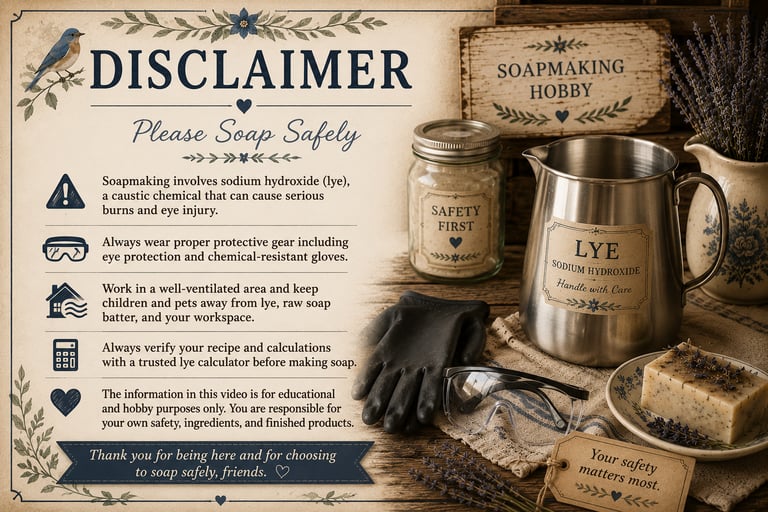
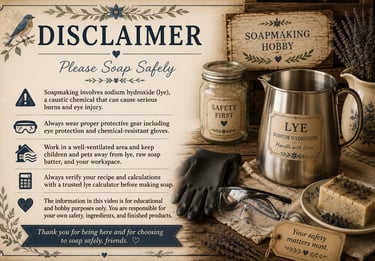
I’m so glad you stopped by. 🤍 Soapmaking is a wonderfully enjoyable and rewarding craft, but safety should always come first.
If you’ve never worked with lye before, I encourage you to take a little time to become familiar with proper lye safety and handling before you begin. You may want to start with my post, A Beginner’s Guide to Lye Safety and Soap-making, where we’ll walk through the basics and important safety guidelines together.
A little knowledge and preparation go a long way toward making your time at the soap pot both safe and enjoyable. 🫧🌿


Soapmaking Tip
“Soap has a way of teaching patience. Every batch asks us to slow down, trust the process, and let time do its quiet work. Four weeks may feel like a long wait, but every day on the curing shelf is part of what turns a fresh loaf into a wonderful bar of handmade soap.”


🖤 Charcoal & Cream
Frequently Asked Questions
🖤Why is activated charcoal added to soap?
Activated charcoal gives the soap its beautiful black color and dramatic marbled swirls. It’s a favorite among soapmakers because it creates a timeless, natural look without using synthetic dyes. It is also known for its detoxifying properties, drawing out dirt like a magnet on your skin.
🖤Will activated charcoal stain my skin or washcloth?
When used in the recommended amount, activated charcoal should rinse away cleanly and should not permanently stain skin or most washcloths. As with any deeply colored soap, it’s always a good idea to test a new recipe before making large batches. I would stick with a gray or black washcloth to be on the safe side.
🖤Why did you choose olive, coconut, and castor oils?
This simple vegan blend creates a well-balanced bar.
Olive oil provides gentle conditioning.
Coconut oil contributes cleansing power and fluffy bubbles and hardness of the bar.
Castor oil helps stabilize and boost the lather.
Together, they create a creamy, everyday soap that’s both gentle and enjoyable to use.
🖤Can I use a different fragrance?
Absolutely!
One of my favorite things about this recipe is how versatile it is. Simply substitute your favorite fragrance oil of choice while following the manufacturer’s recommended usage rate.
Warm woods, amber, vanilla, fresh linen, lavender, citrus, or floral fragrances all pair beautifully with the Charcoal & Cream design. If using a fragrance high in vanillin, be sure to only add it to your charcoal portion.
🖤Why is kaolin clay included?
Kaolin clay helps give the soap a silky, smooth feel and can contribute to a creamy lather. It also works well with many fragrance oils, helping anchor them into the soap.
🖤What do the colloidal oats do?
Colloidal or ground oats add a lovely, gentle exfoliating feel to the finished soap and complement the creamy character of this recipe.
🖤How long should I cure this soap?
Allow the bars to cure for at least four weeks.
A proper cure creates a harder, longer-lasting bar with a milder feel and improved performance.
🖤Can I make this recipe without the rose petals?
Of course!
The dried rose petals are simply decorative. You can leave them off completely or replace them with another botanical that complements your chosen fragrance.
🖤Can I change the swirl design?
Definitely.
Every loaf turns out a little differently, and that’s part of the fun. Try hanger swirls, in-the-pot swirls, spoon swirls, or drop swirls to create your own unique version of Charcoal & Cream.
🖤Is this recipe beginner-friendly?
Yes!
Because it uses just three primary oils and a few simple additives, it’s a wonderful recipe for soapmakers who are comfortable with the basics of cold process soapmaking and want to practice swirl designs.
🤍 Soap-maker’s Note
“No two bars will ever look exactly alike, and I think that’s part of their beauty. Every swirl tells the story of the hands that made it. That’s one of the sweetest things about handmade soap, it doesn’t strive for perfection, only care and craftsmanship.”




🤍Choose your next soap journal entry…
✨ Charred Rose Bouquet- floral elegance
✨Huckleberry Harvest Vegan- berry charming
✨Blueberry Lane-a blueberry scented- farmhouse bar
From My Little Soap Corner 🤍
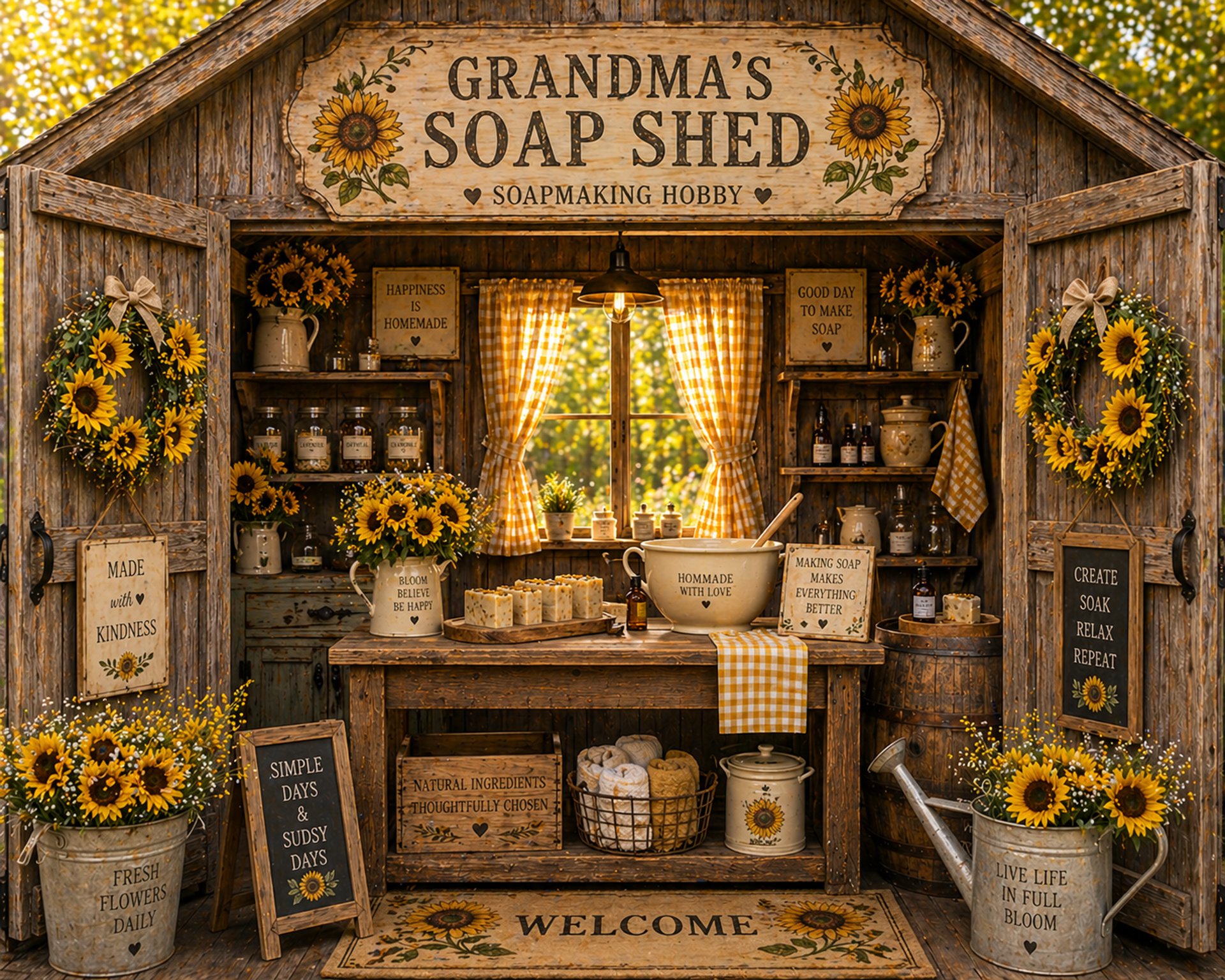
I make each bar in a cozy little 4x12 foot workshop, just a simple setup and a love for soapmaking. Some of the backgrounds and scenes you see are AI-created or enhanced to reflect the warm, rustic feel I imagine for my soap shed. I love creating handmade soap and digital soap-making journals and scenes. This journal is little storytelling nostalgia. Join me in a world of soap-making imagination. - Heather 🌼🫧
Privacy Policy • Cookie Policy • Terms & Conditions • Affiliate Disclosure • AI Disclosure
🍃 Handmade stories, soapmaking recipes & journals from the Soap Shed.
© 2026 Soapmaking Hobby. All Rights Reserved.